

Anaphe or Epanaphe Textiles
Sanyan Silk
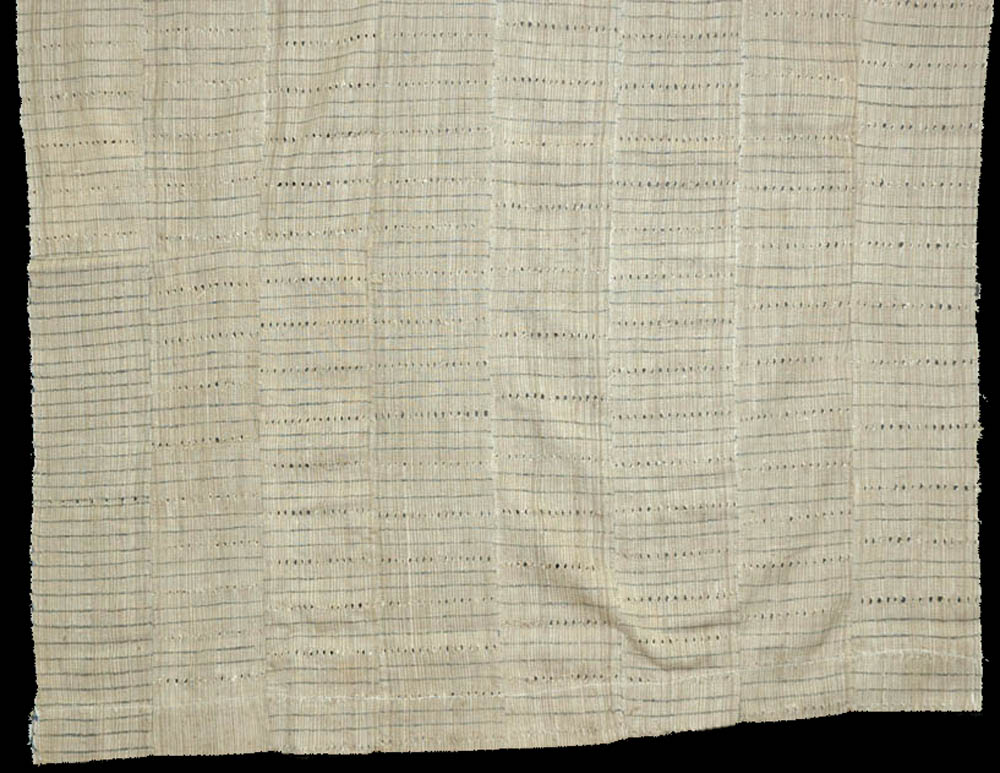
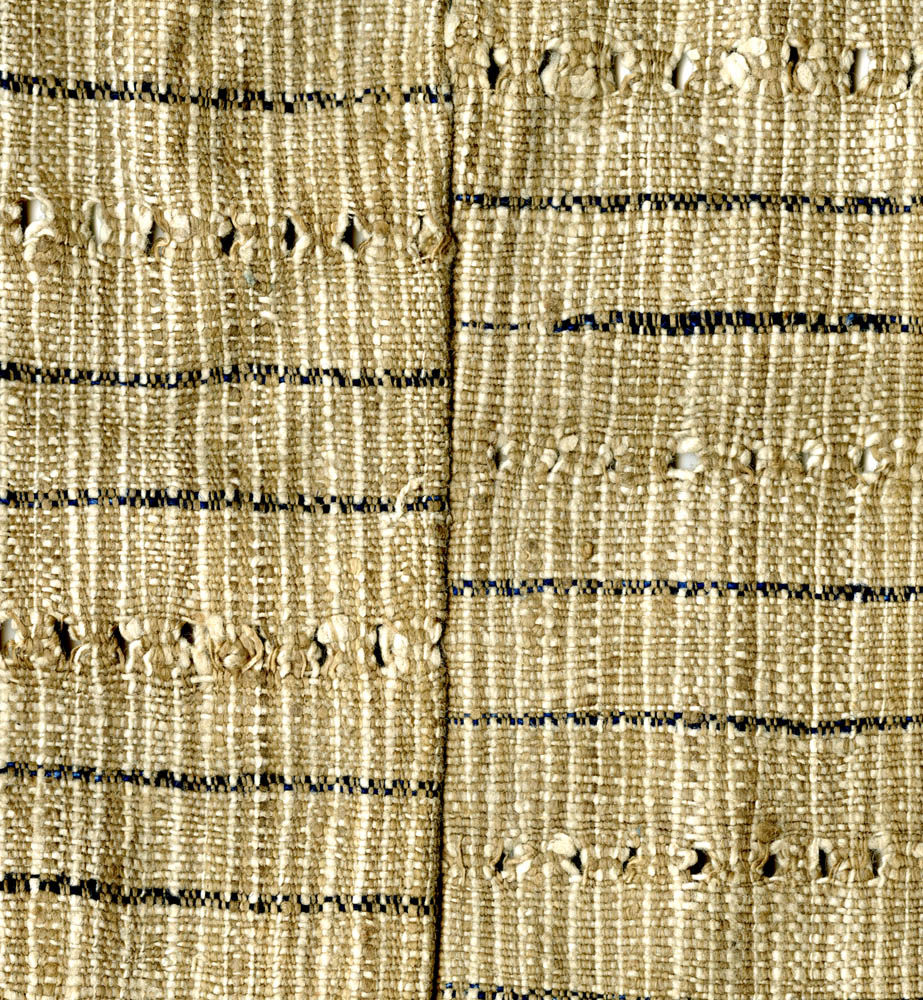
Silk garments made from this type of silk have been made for centuries in West Africa, primarily by Yoruba and Hausa people in Nigeria where traditionally the men did the weaving (Clarke 1997). Textiles are woven as very narrow strips, which are then tailored together into larger pieces that can be used for clothing. The ipele is a woman’s dress or wrapper. Men’s robes called gbariye and agbada may also be composed of this silk. The holes woven into the cloth are called openwork (Kent 1971).
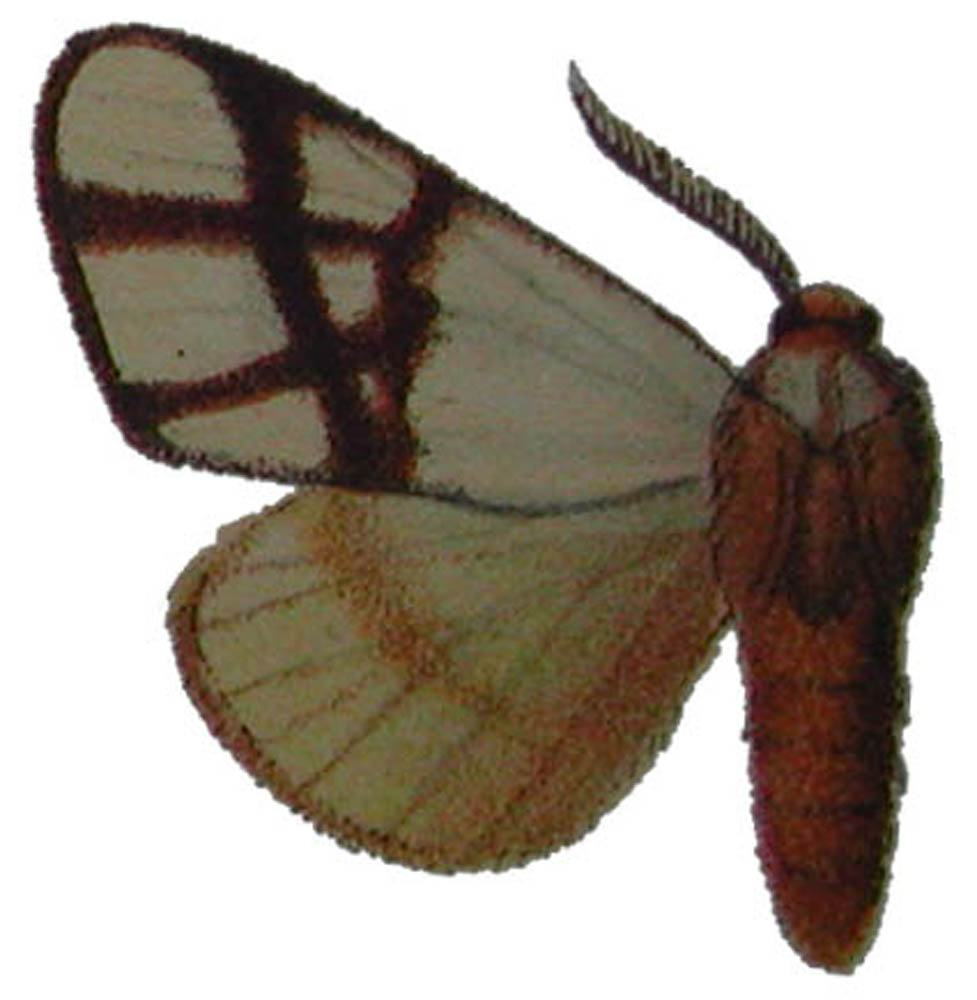
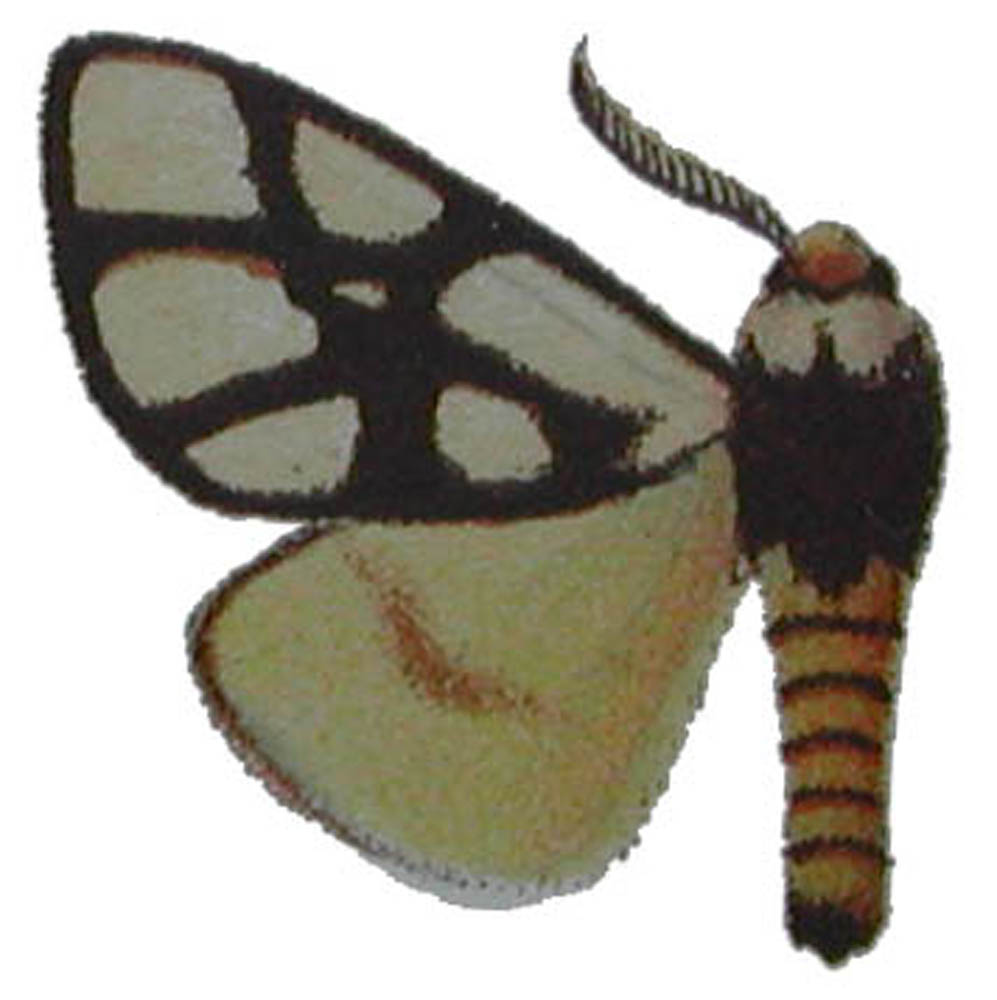
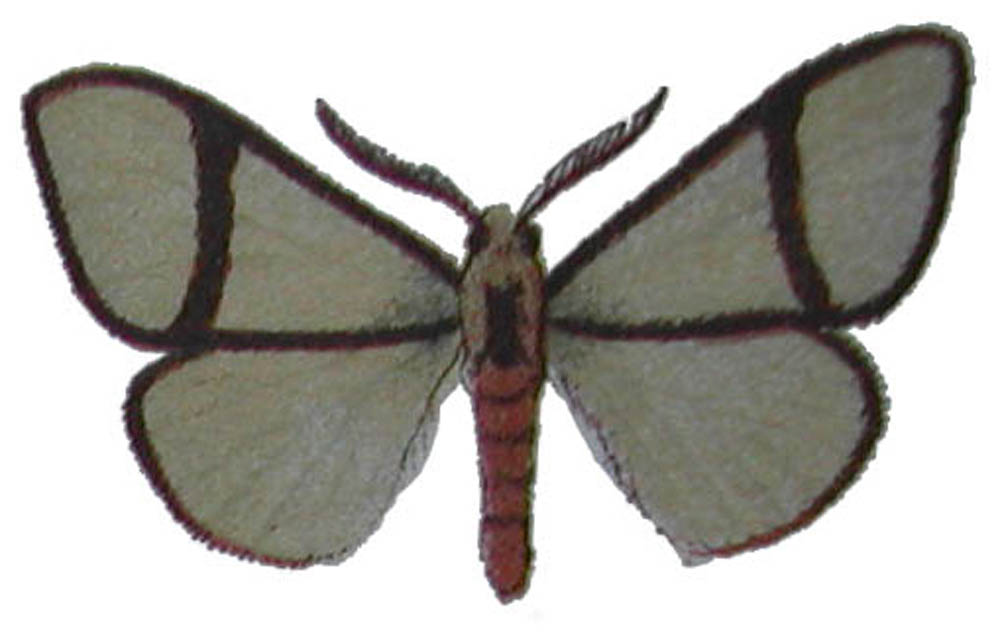
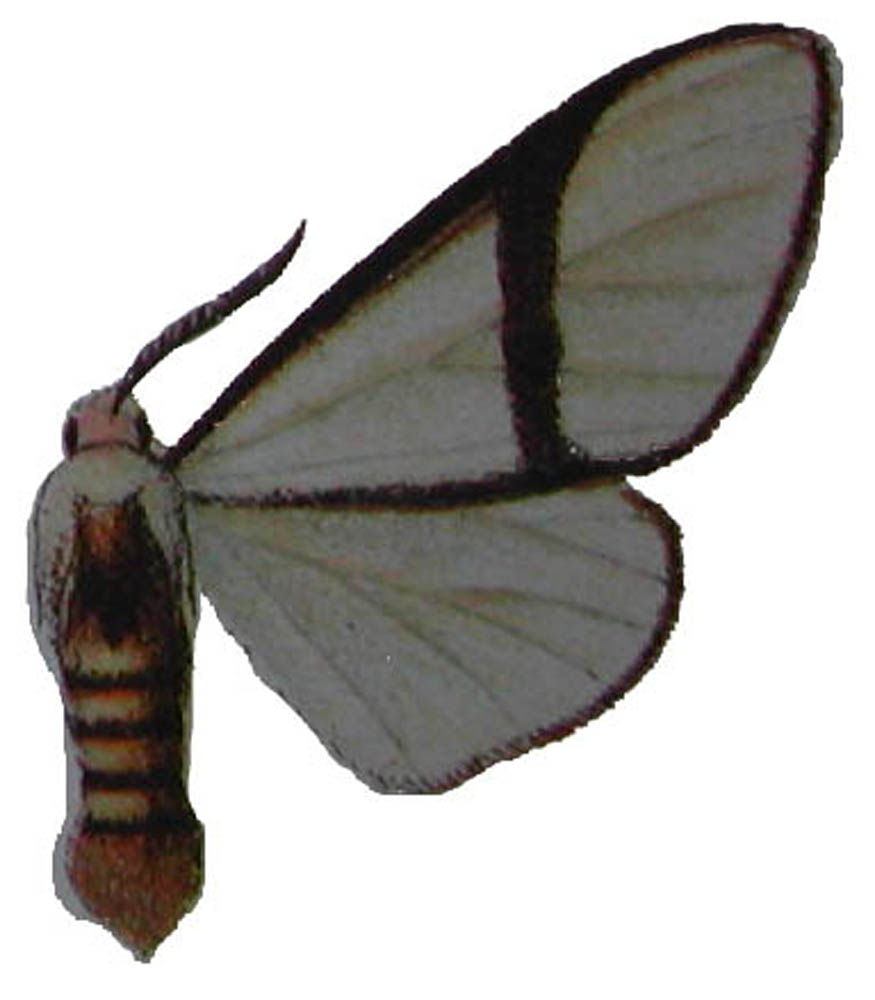
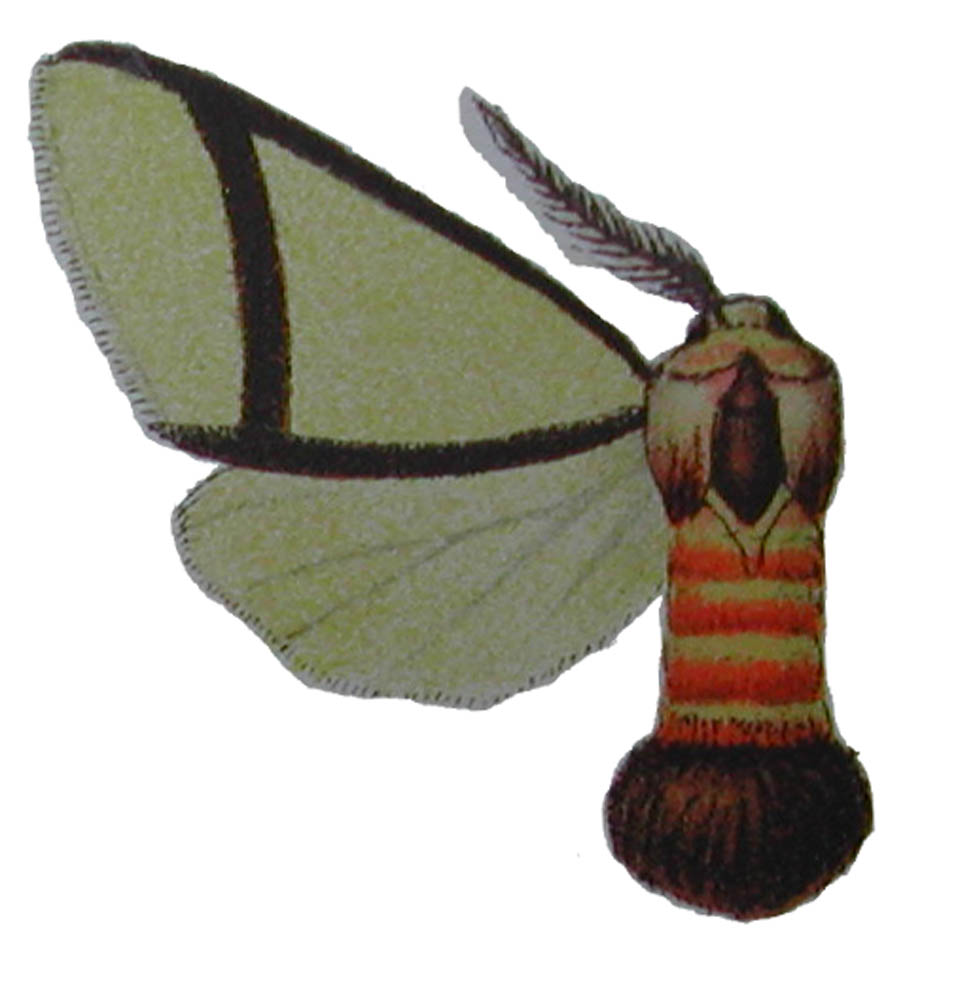
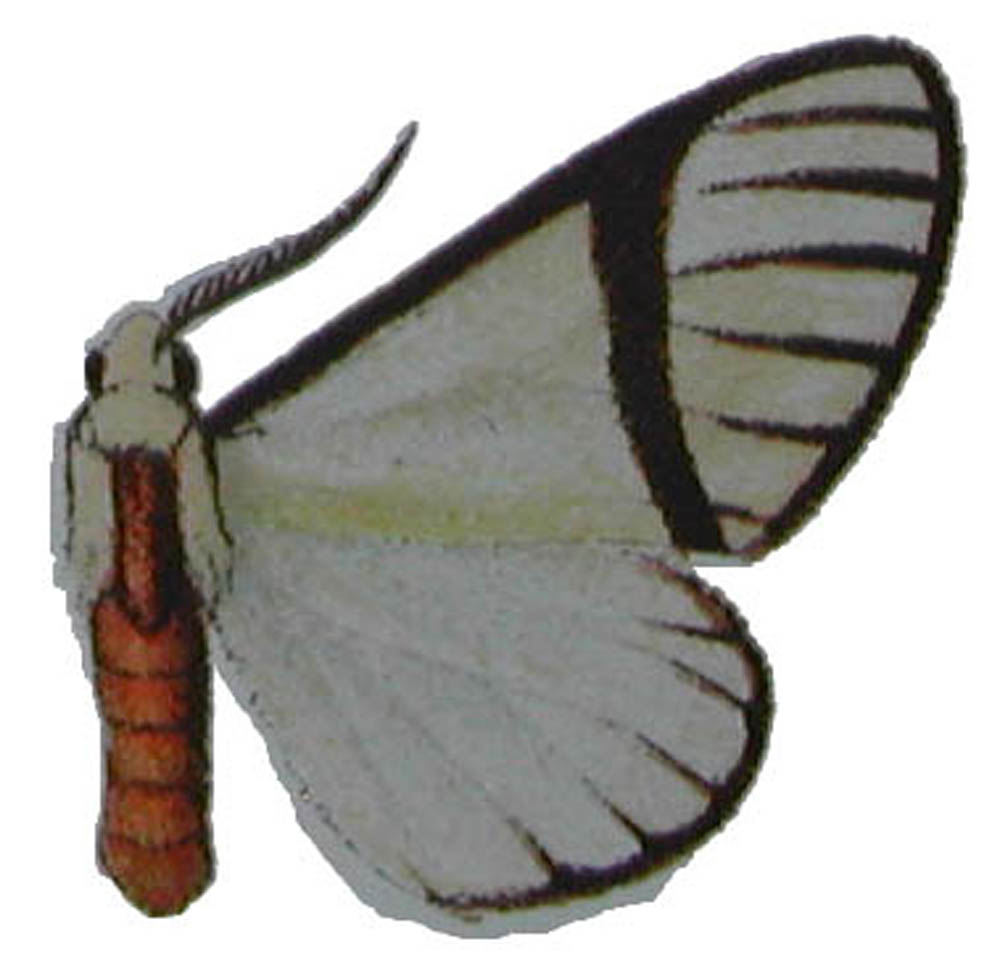
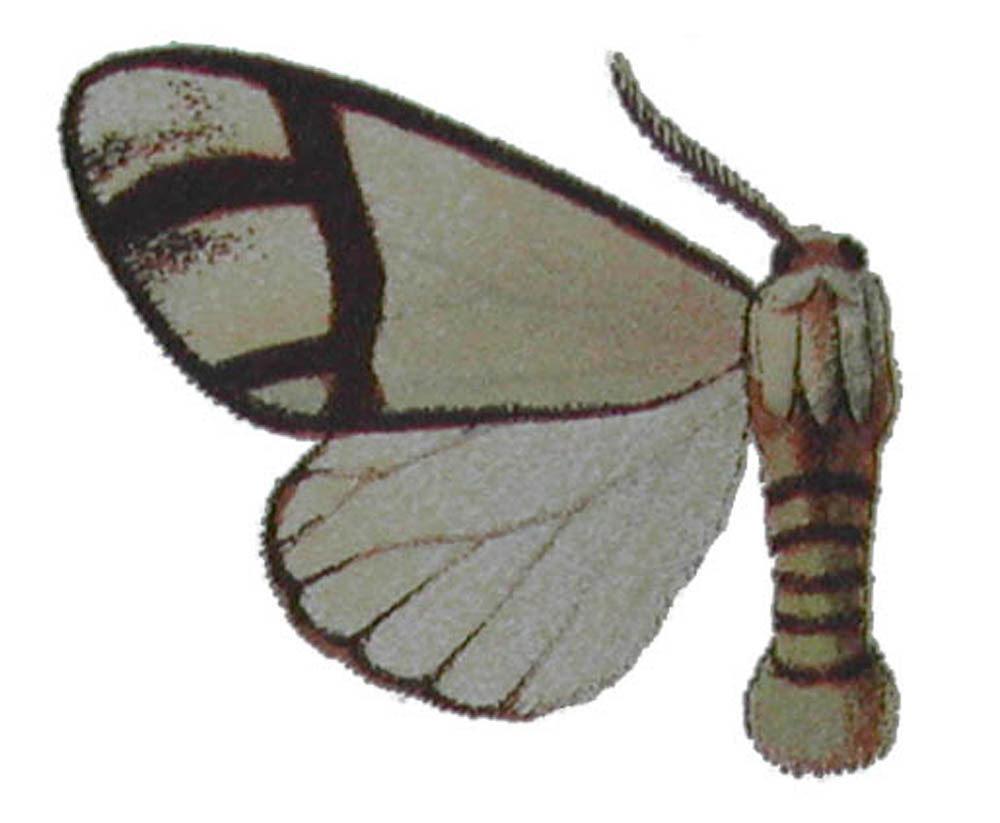
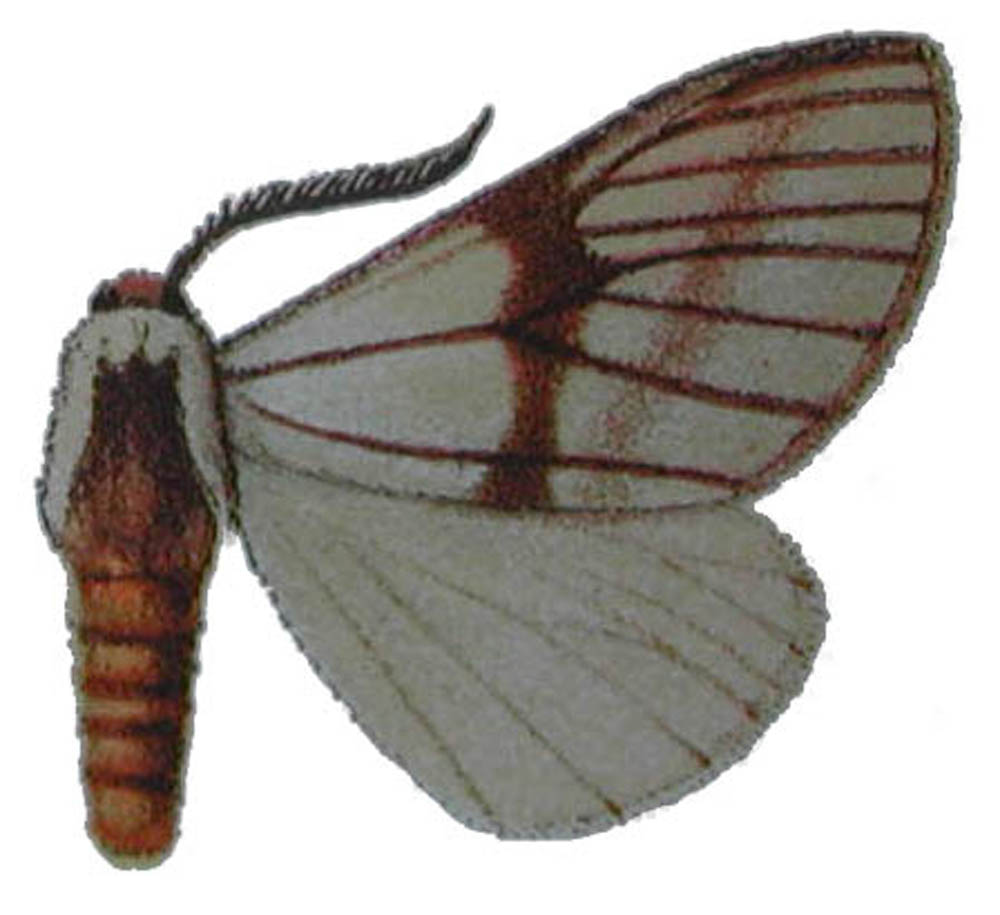
Several species of silkmoths are involved in this form of sericulture. They belong to the genera Anaphe and Epanaphe. Our color figures show some of these moths taken from Plate 68 in Gaede (1928). Some entomologists consider these genera to belong to the family Thaumetopoeidae (Pinhey 1979), the processionary caterpillars, but current consensus considers that group to be a subfamily (Thaumetopoeinae) of Notodontidae. The caterpillars construct communal bagnests, and these are the source of the silk used by humans. They have been greatly over-exploited in the 20th century, which coupled with deforestation, resulted in this type of sericulture virtually becoming a thing of the past. Today in Nigeria the silk is substituted by kugu, which is cotton that has been dyed to resemble the wild silk. Garments made of the prestigious silk (and now the brown-dyed cotton) have great ceremonial significance in Yoruba culture, and the pieces are worn primarily on special occasions such as weddings, funerals, etc. (Kriger 2006, McKinney & Eicher 2009). Collectors seeking genuine sanyan silk from Nigeria must obtain vintage (pre-1970) or antique pieces, which are occasionally offered on the internet. In a few localities, wild silks are still collected and mixed with cotton or other fibers to be woven into textiles that are held in high esteem by Dogon people in Mali and Markina-Dafing peoples in Burkina Faso (Hill-Thomas 2012, Douny 2013). Many of these pieces have blue stripes dyed with indigo.
Some of the foodplants commonly cited for the caterpillars include wild coffee (Bridelia micrantha), tamarind (Tamarindus indica), and obeche (Triplochiton scleroxylon) (Zethner et al. 2008). The obeche is one of the most important timber trees in West Africa.
Description: An ipele (the Yoruba word for a wrapped skirt) of sanyan silk (Anaphe sp. Or Epanaphe sp., Notodontidae) from the town of Ondo (in Ondo State), Nigeria, made circa 1900. Purchased in April 2009 from Duncan Clarke, an authority on African textiles, who said it has an unusual pattern. Production Location: Nigeria Measurement: |
 |
 |
Anaphe and Epanaphe Moths
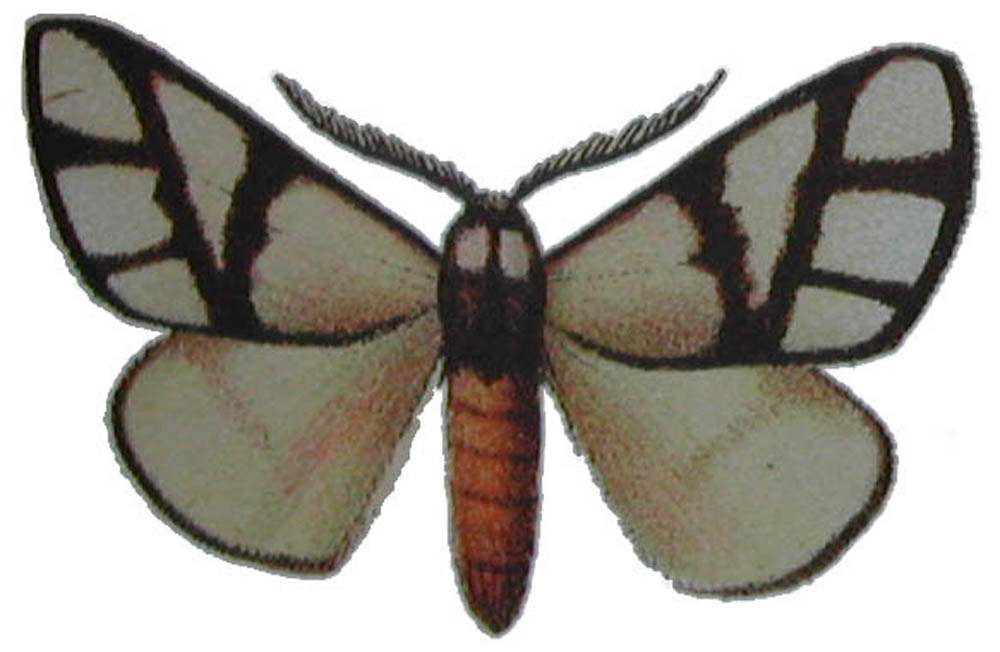 Anaphe infracta Anaphe infracta |
Anaphe panda |
Anaphe reticulata |
Epanaphe carteri |
Epanaphe clara |
Epanaphe clarilla |
Epanaphe moloneyi |
Epanaphe subsordida |
Epanaphe ventata |
References
Clarke, D. 1997. The art of African textiles. Thunder Bay Press, San Diego. 128 pp.
Douny, L. 2013. Wild silk textiles of the Dogon of Mali: the production, material efficacy, and
cultural significance of sheen. Textile 11(1): 58-77.
Gaede, Max 1928. Thaumetopoeidae, pp. 395–400, pl. 68, in A. Seitz, editor, The
Macrolepidoptera of the world, vol. 14: The African Bombyces and Sphinges. Alfred
Kernen Publisher, Stuttgart. 600 pp., 80 color plates.
Hill-Thomas, Genevieve. 2012. Silk in the Sahel: Tuntun and Marka Faso Dan Fani in
northwestern Burkina Faso. African Arts 45: 58-69.
Kent, Kate P. 1971. Introducing West African cloth. Denver Museum of Natural History,
Denver. 83 pp.
Kriger, Colleen E. 2006. Cloth in West African history. AltaMira Press, Lanham, Maryland.
xxii + 214 pp.
McKinney, Ellen & Joanne B. Eicher. 2009. Unexpected luxury: wild silk textile production
among the Yoruba of Nigeria. Textile 7: 40–55.
Zethner, O., R. Koustrup & S. K. Raina. 2008. African ways of silk: ancient threads—new
possibilities. Centre for Advanced Studies of African Society, Cape Town. 88 pp.
