
Subfamily PONERINAE By Joe A. MacGown, updated 23 March 2016 |
||
 |
 |
 |
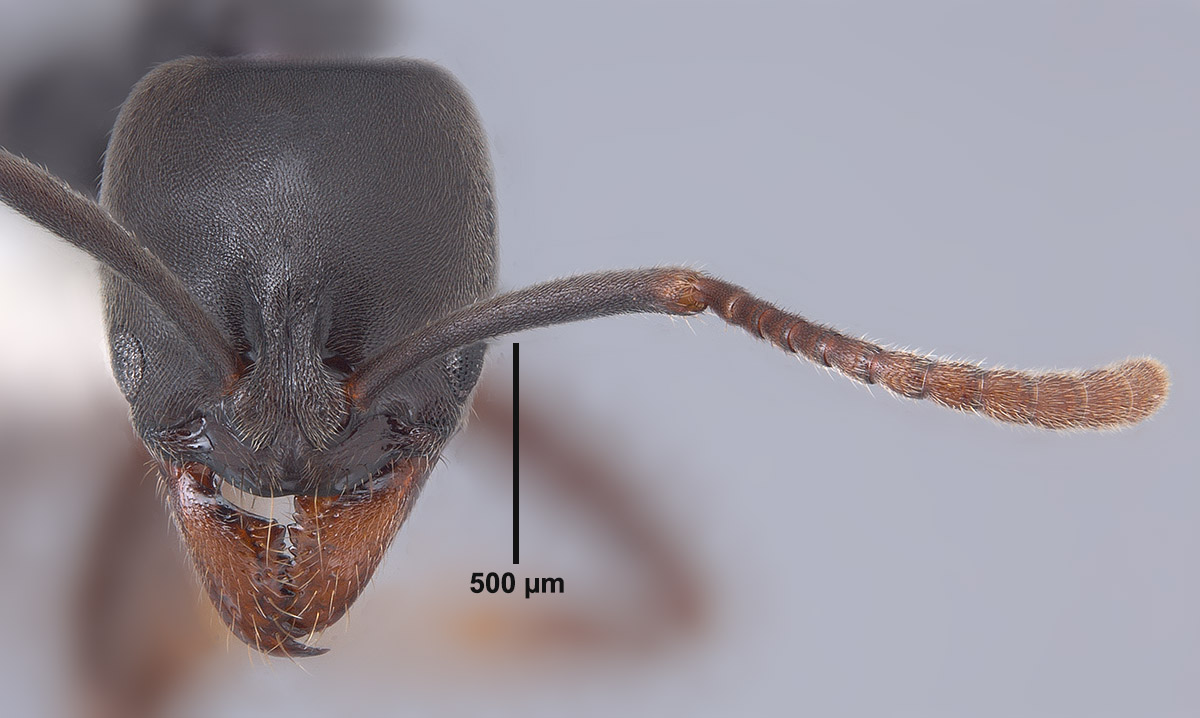
Brachyponera chinensis, full face view of worker (AL, Jefferson Co.) (photo by Ryan J. Whitehouse and Joe A. MacGown) |
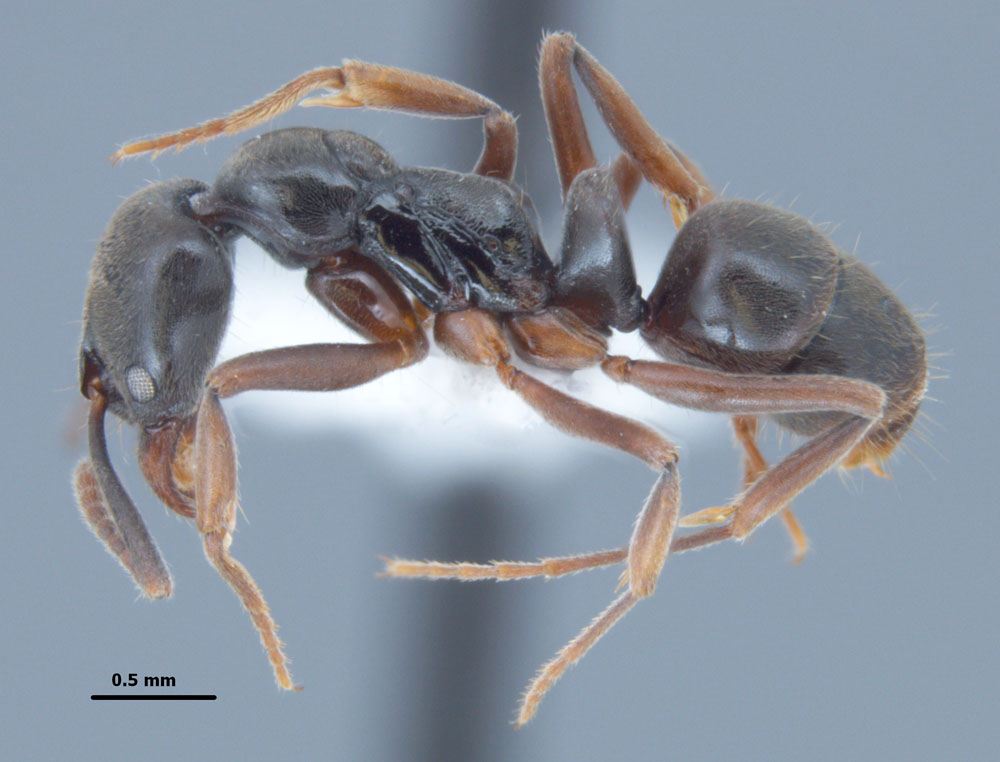
Brachyponera chinensis, lateral view of worker (AL, Jefferson Co.) (photo by Ryan J. Whitehouse and Joe A. MacGown) |
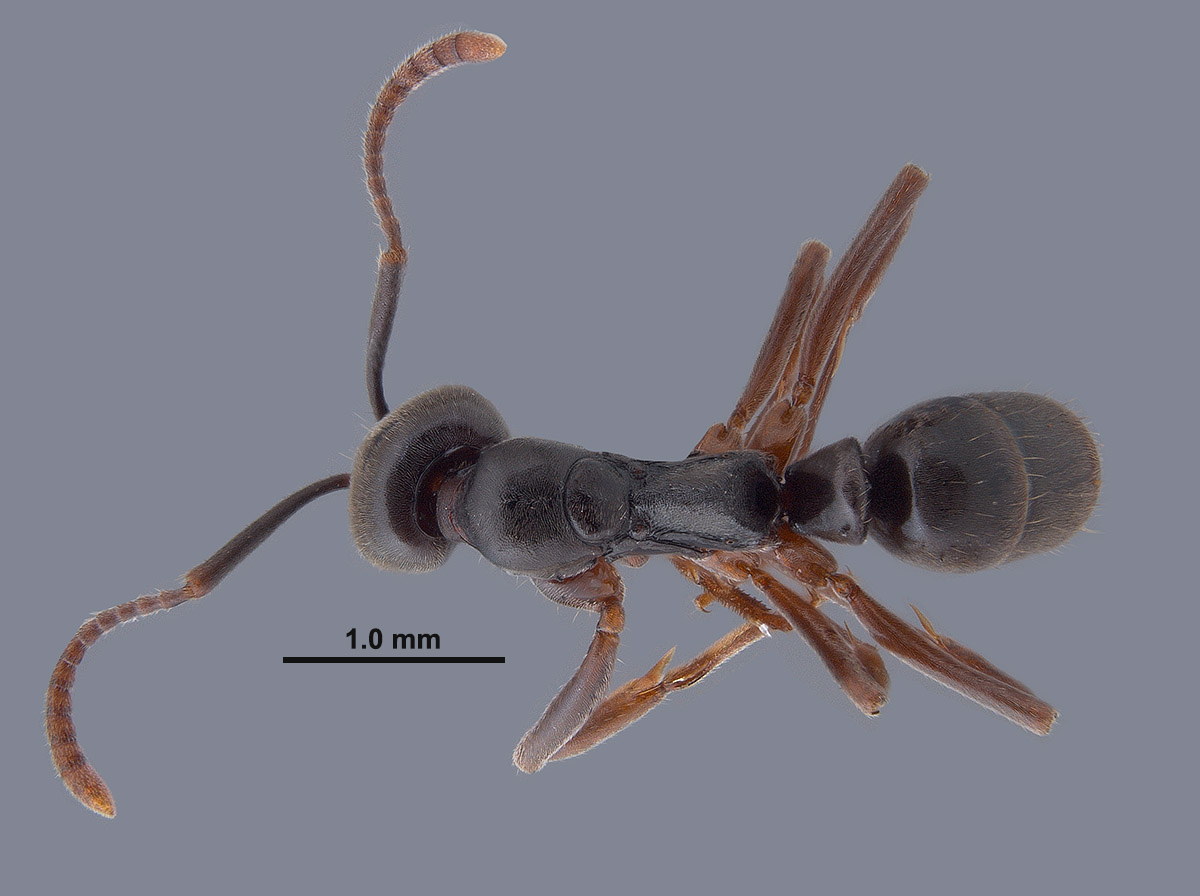
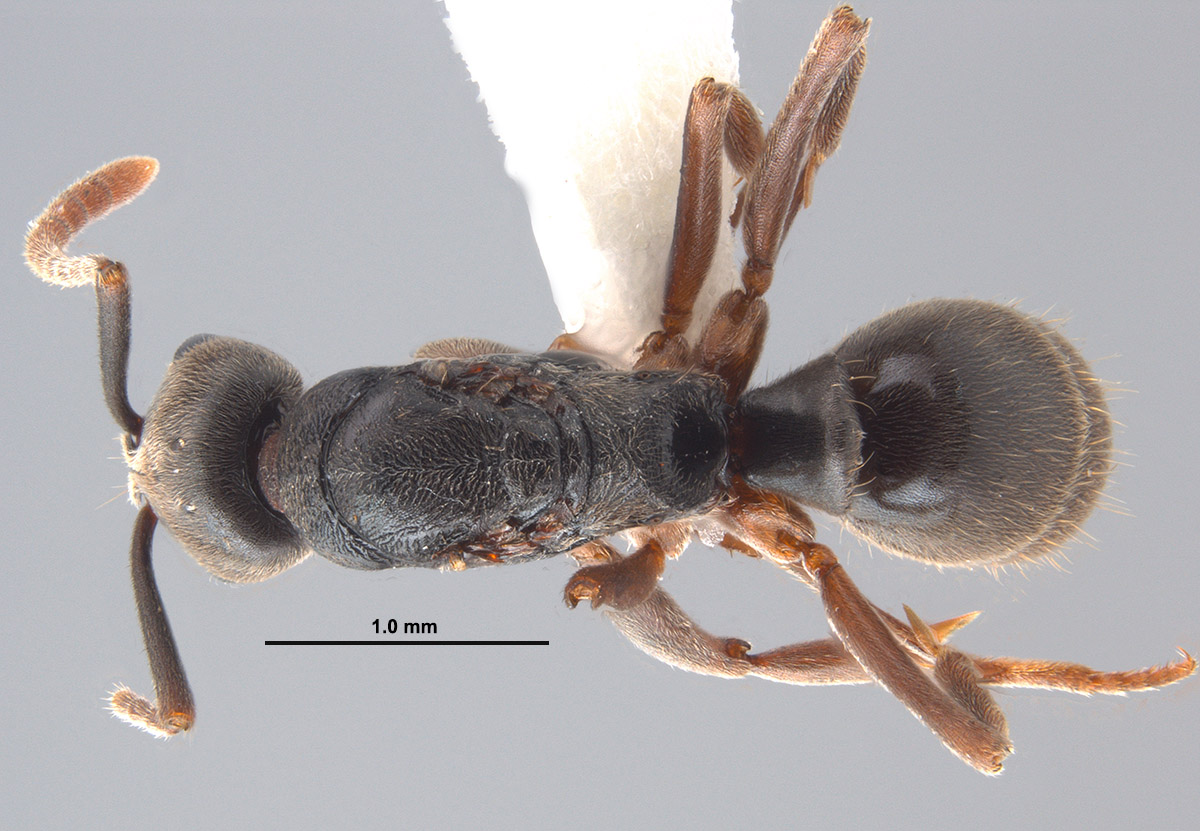
Brachyponera chinensis, dorsal view of worker (AL, Jefferson Co.) (photo by Ryan J. Whitehouse and Joe A. MacGown) |
 |
 |
 |
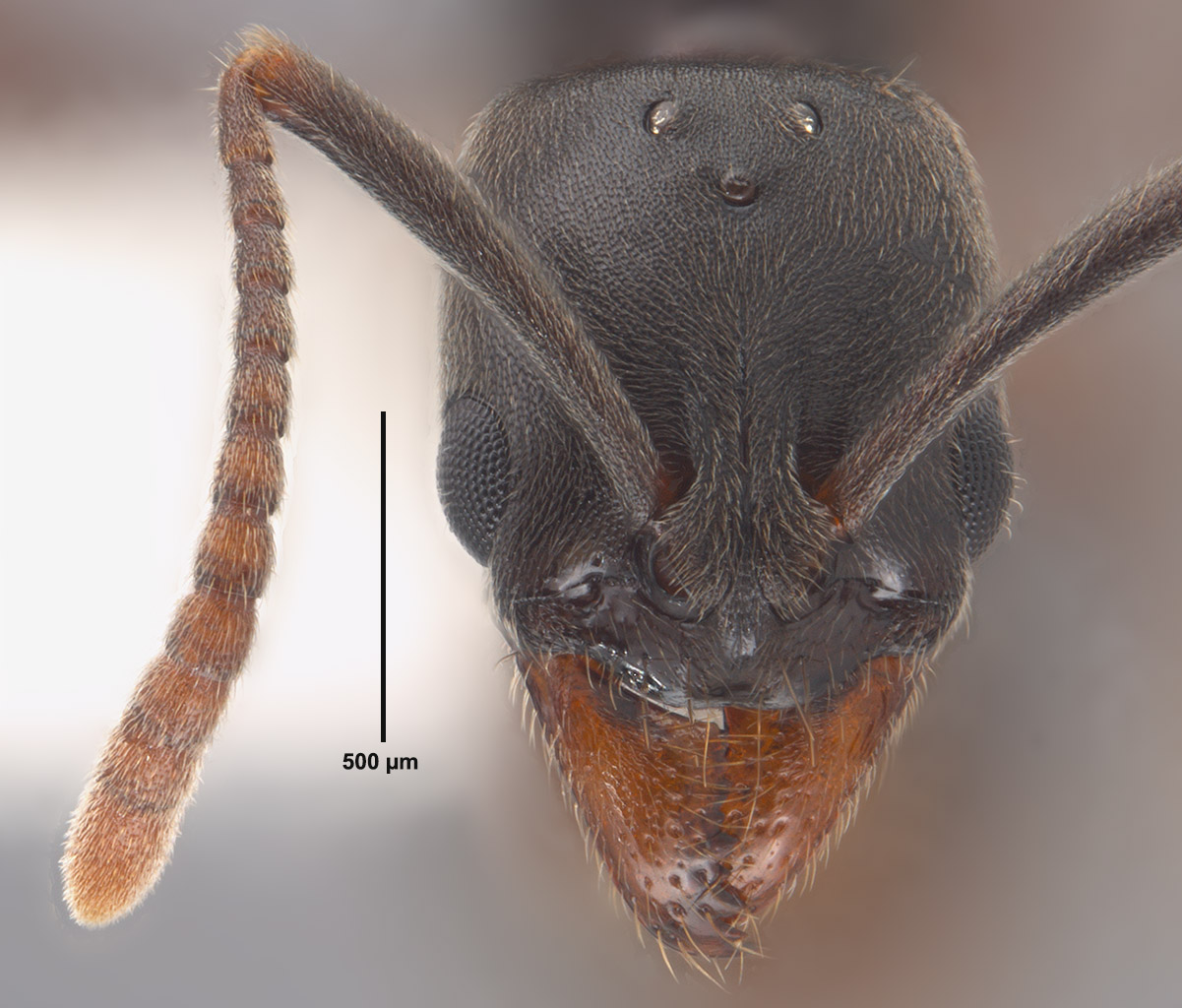
Brachyponera chinensis, full face view of dealate queen (SC, Chesterfield Co.) (photo by Ryan J. Whitehouse and Joe A. MacGown) |
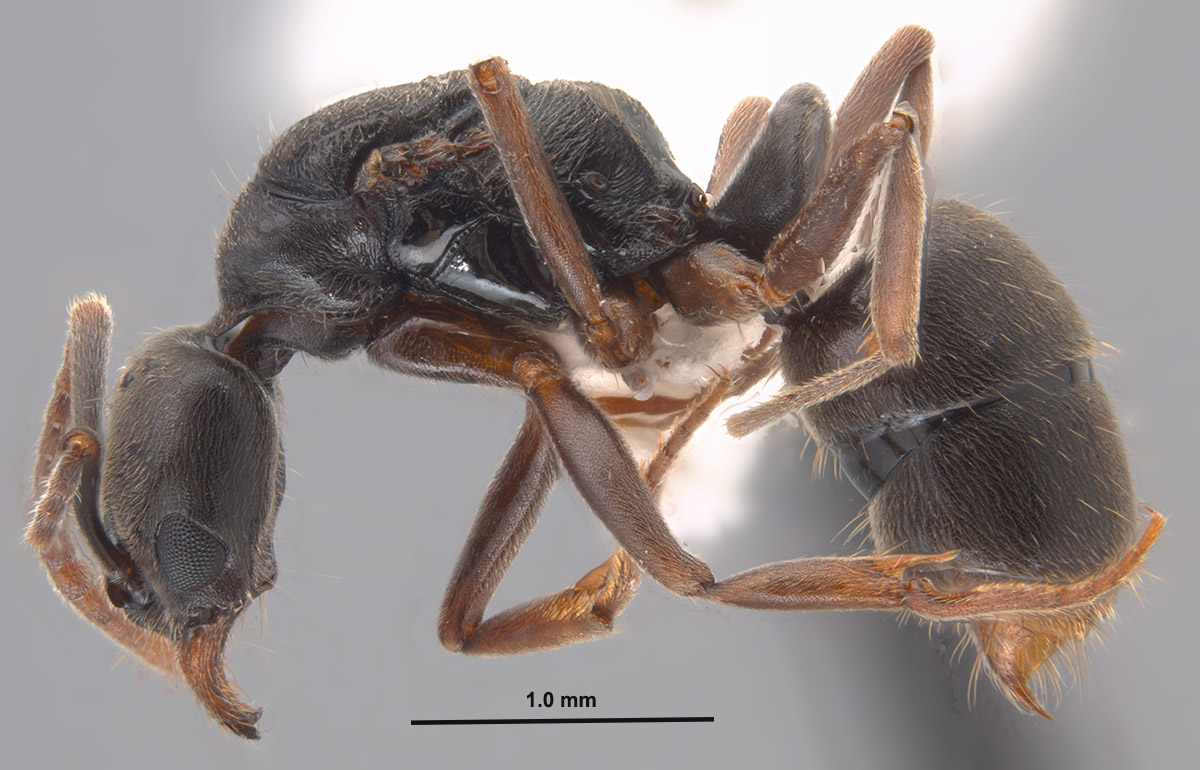
Brachyponera chinensis, lateral view of dealate queen (SC, Chesterfield Co.) (photo by Ryan J. Whitehouse and Joe A. MacGown) |
Brachyponera chinensis, dorsal view of dealate queen (SC, Chesterfield Co.) (photo by Ryan J. Whitehouse and Joe A. MacGown) |
 |
 |
 |
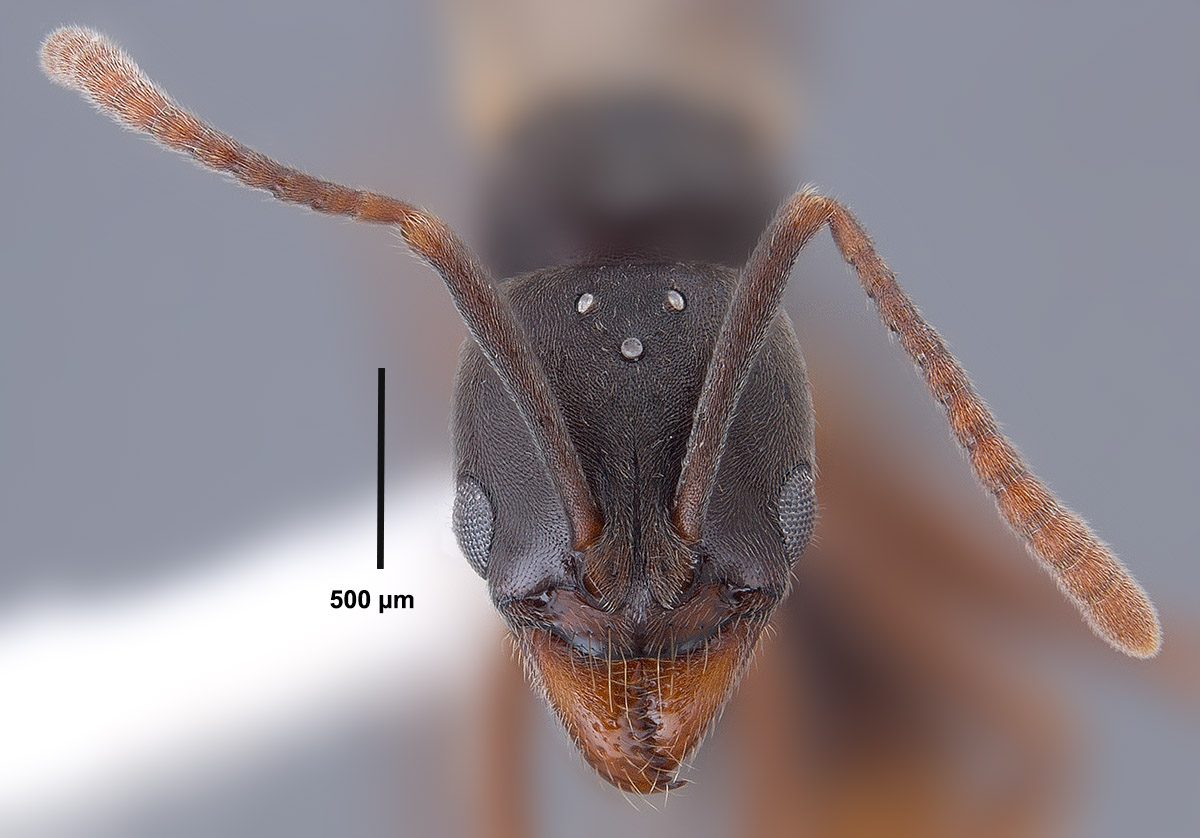
Brachyponera chinensis, full face view of alate queen (SC, Pickens Co.) (photo by Ryan J. Whitehouse and Joe A. MacGown) |
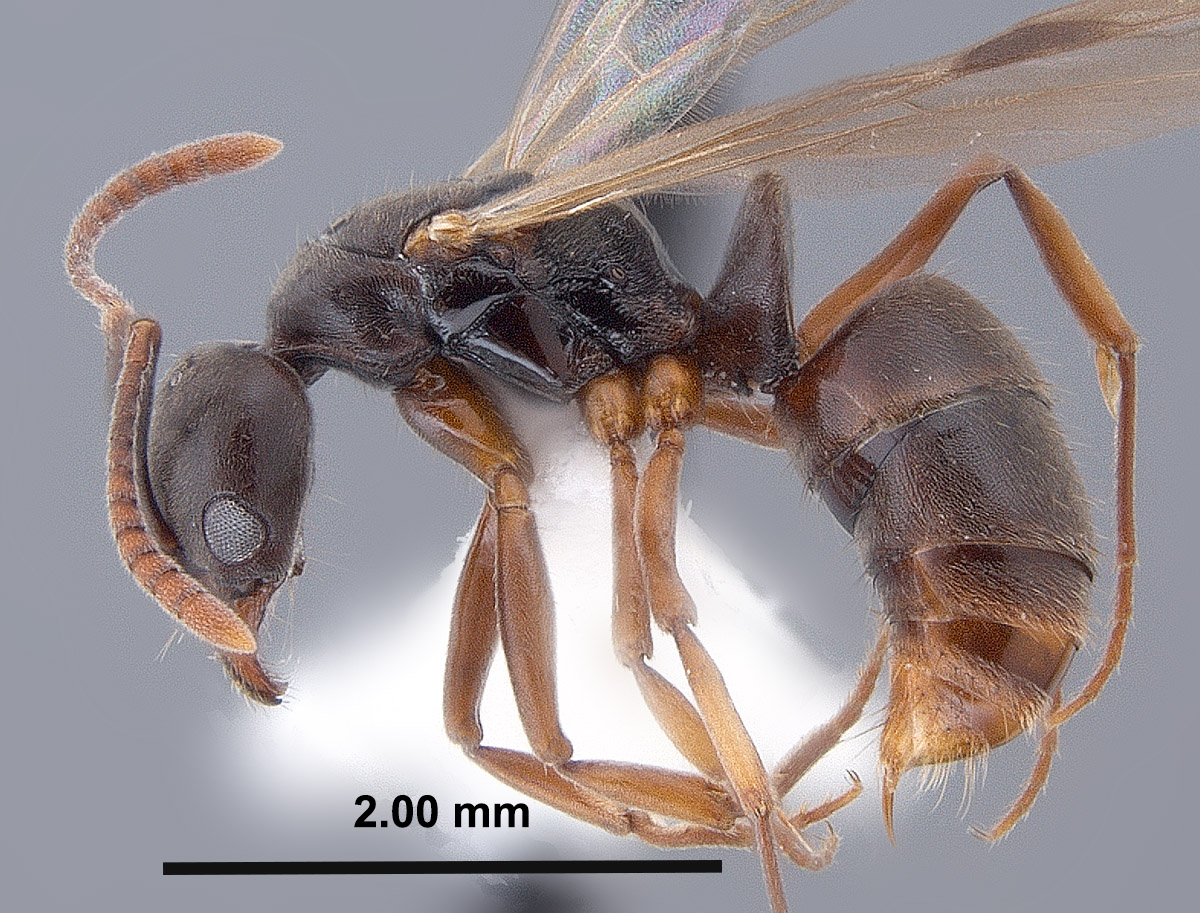
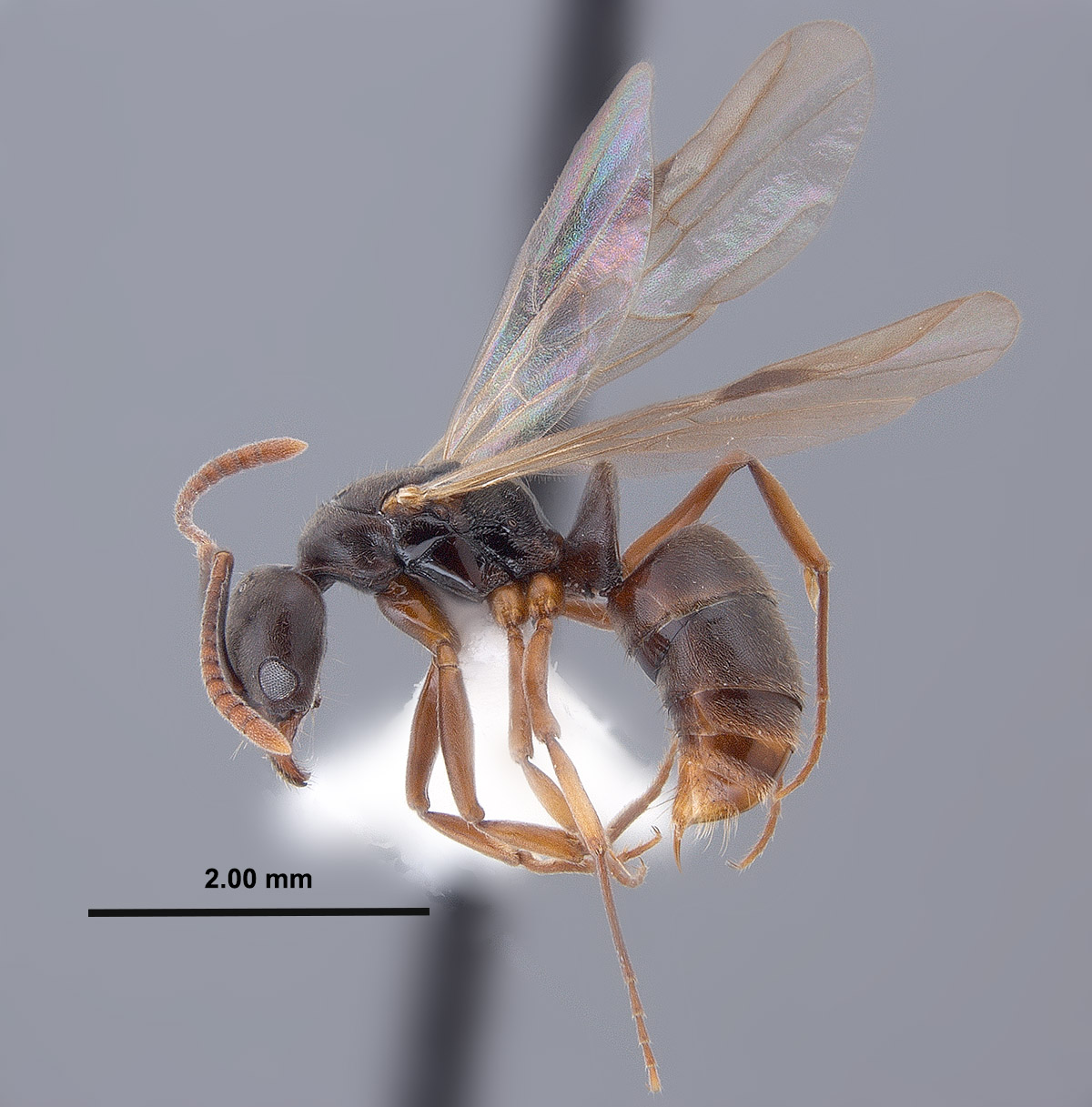
Brachyponera chinensis, lateral view of alate queen (SC, Pickens Co.) (photo by Ryan J. Whitehouse and Joe A. MacGown) |
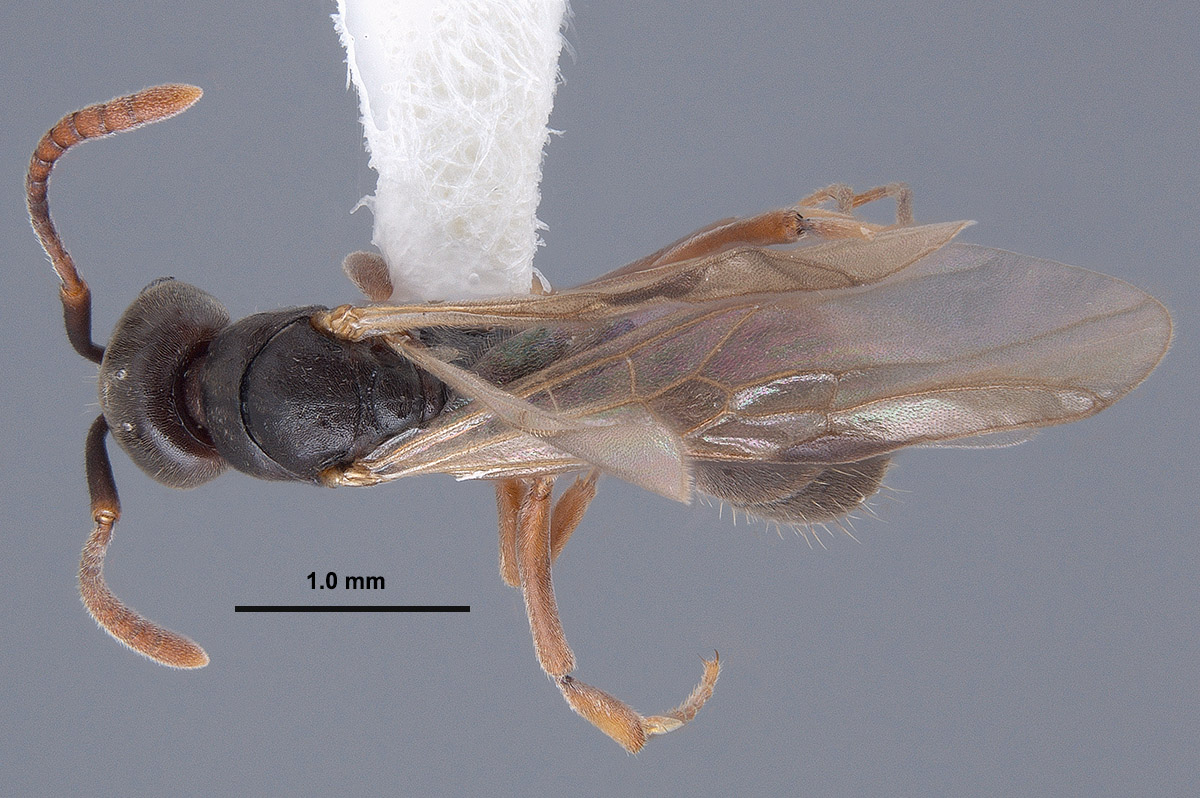
Brachyponera chinensis, dorsal view of alate queen (SC, Pickens Co.) (photo by Ryan J. Whitehouse and Joe A. MacGown) |
 |
 |
 |
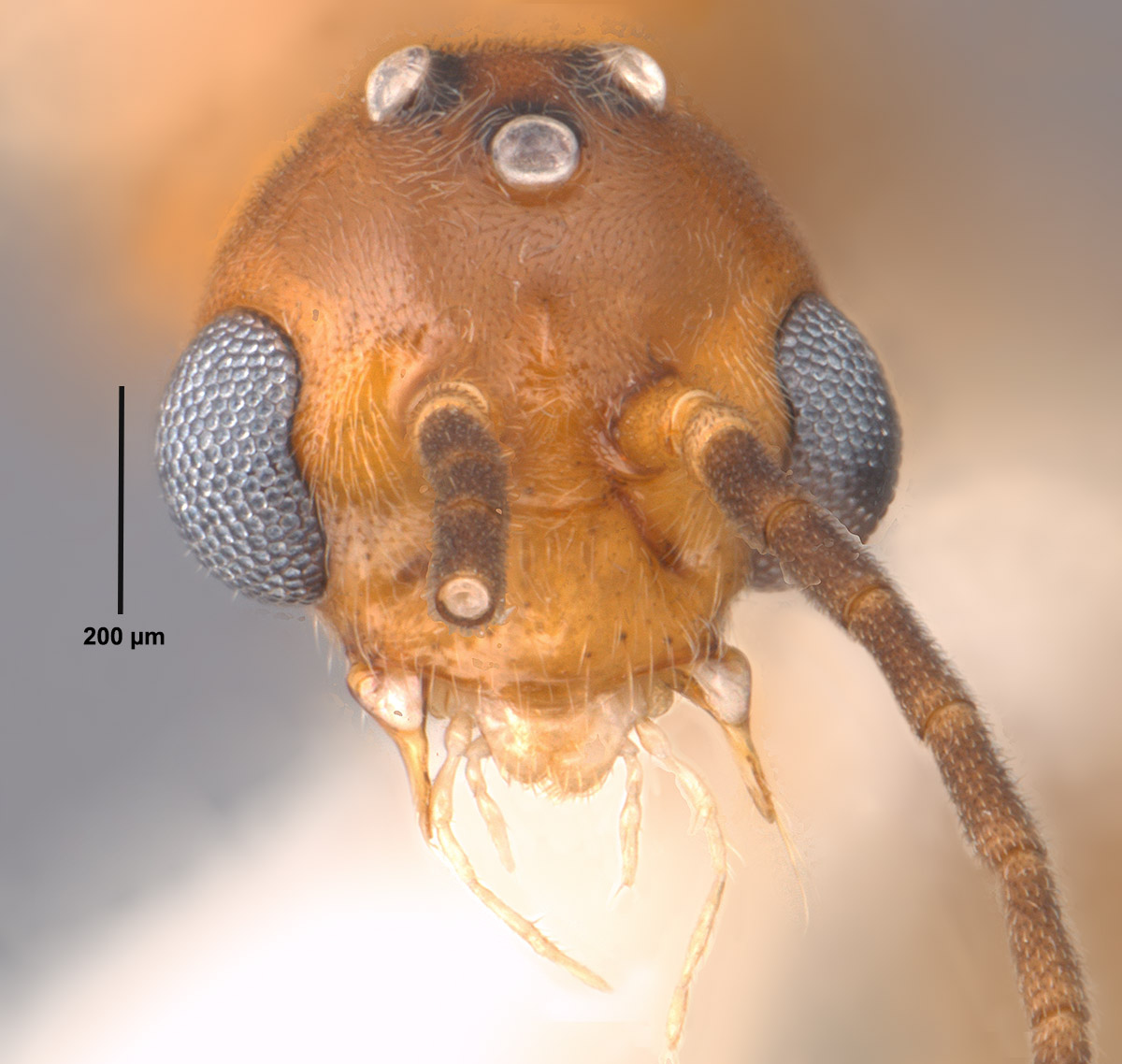
Brachyponera chinensis, full face view of male (SC, Pickens Co.) (photo by Ryan J. Whitehouse and Joe A. MacGown) |
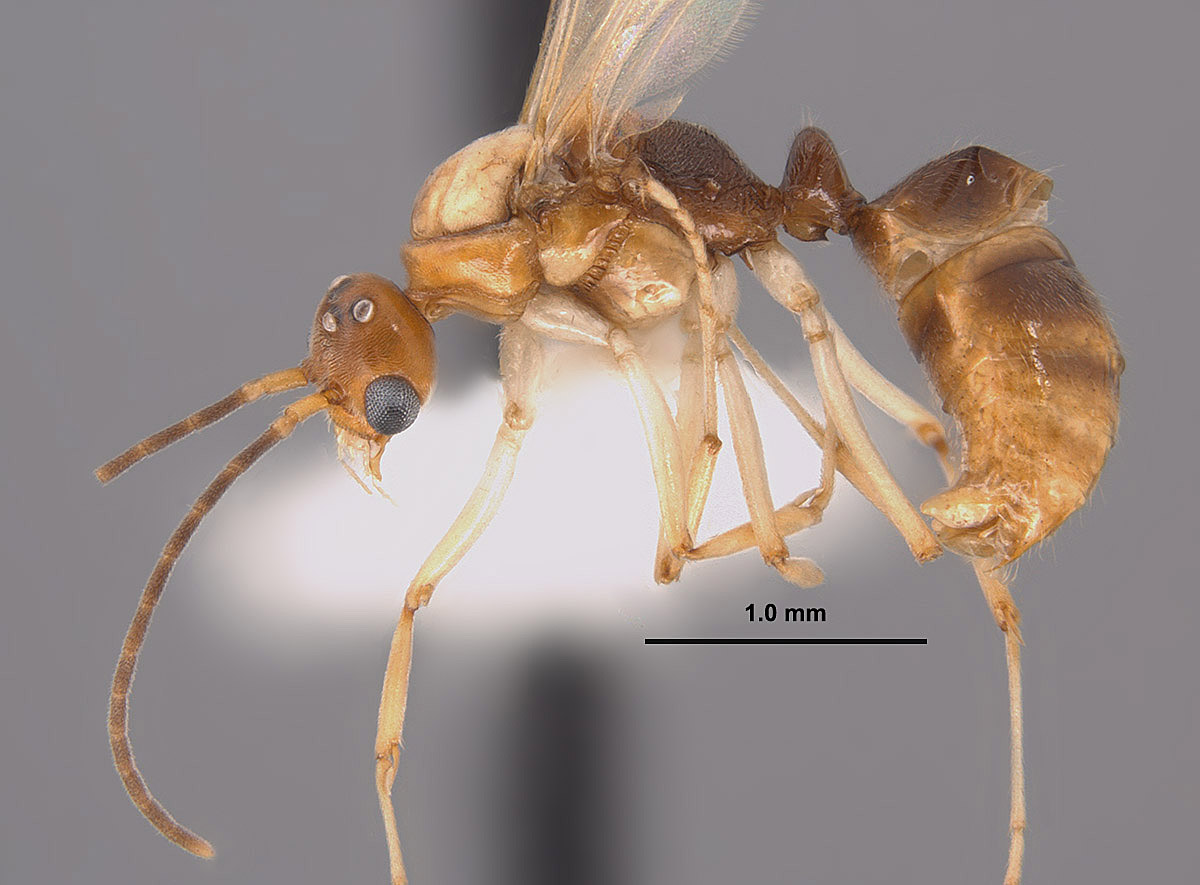
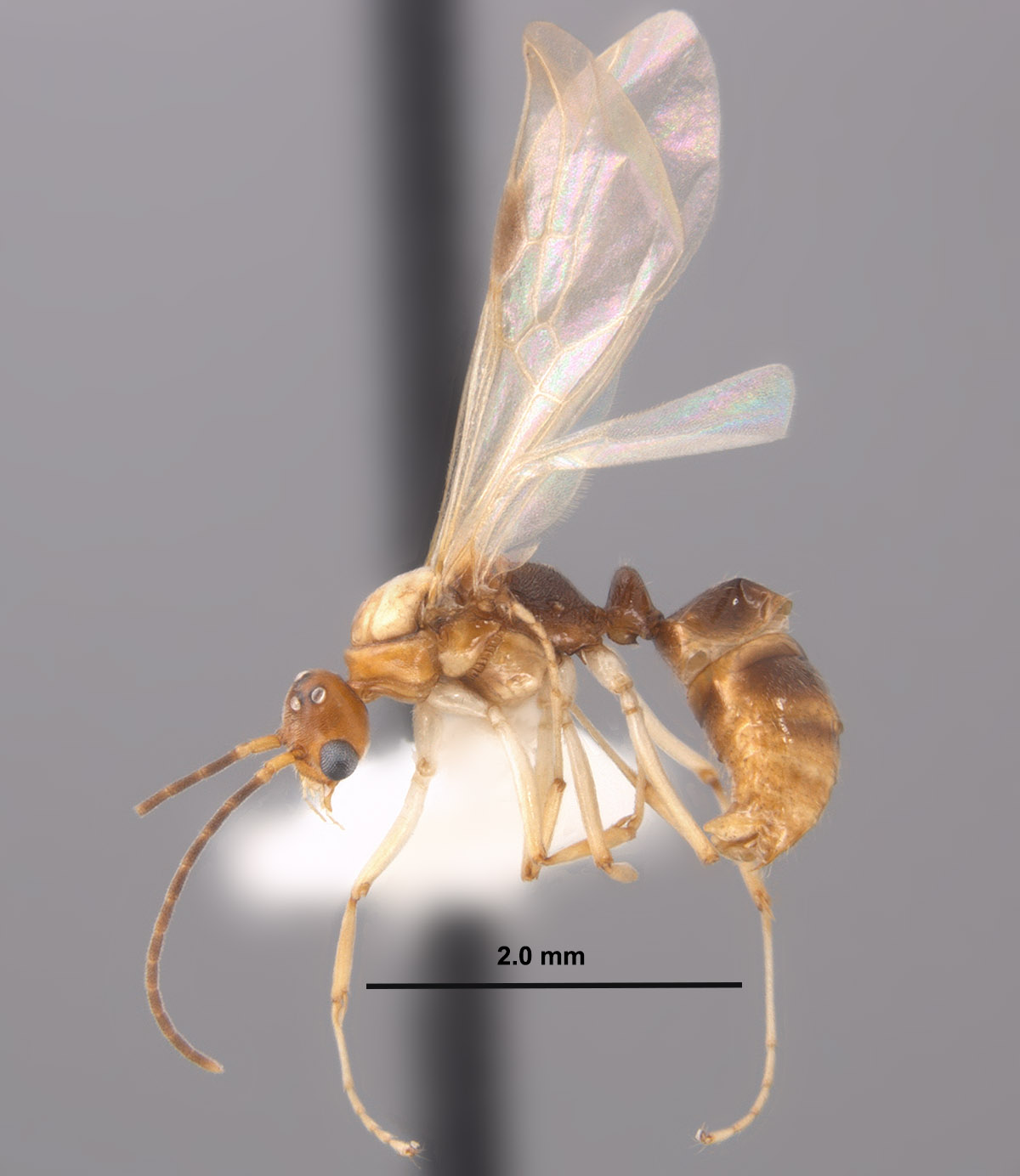
Brachyponera chinensis, lateral view of male (SC, Pickens Co.) (photo by Ryan J. Whitehouse and Joe A. MacGown) |
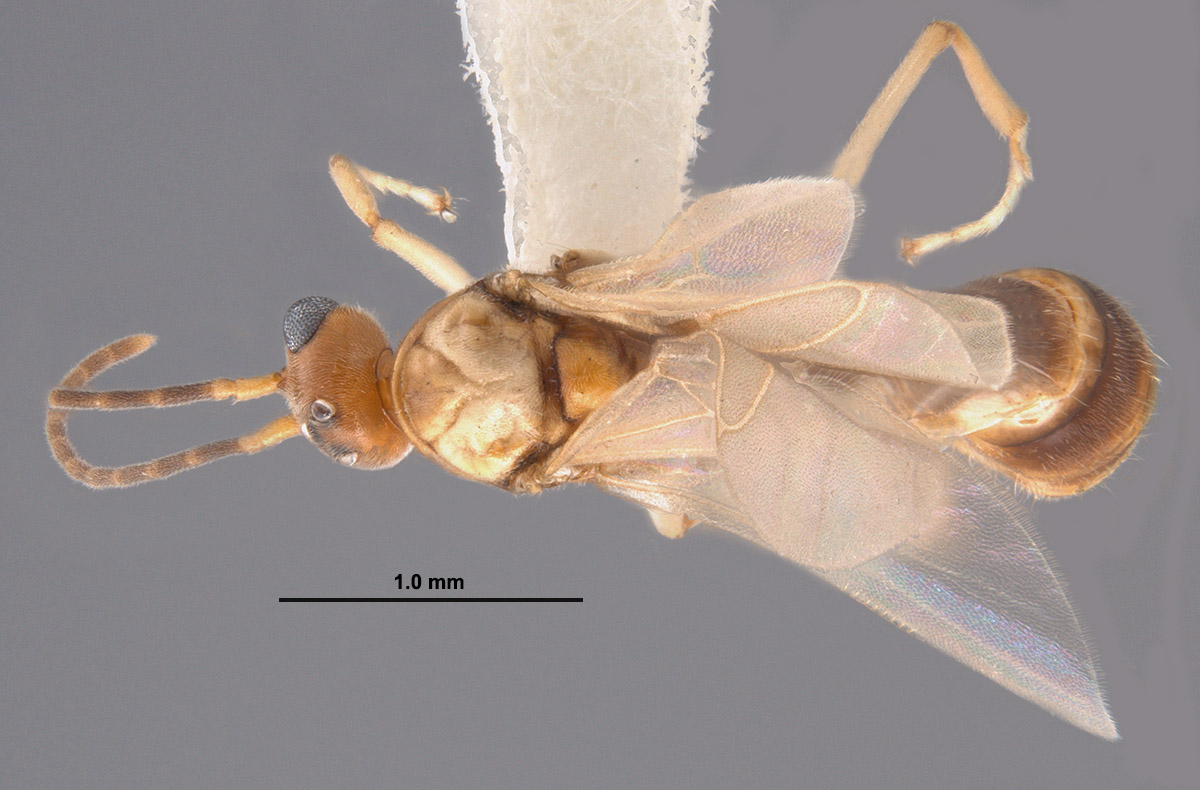
Brachyponera chinensis, dorsal view of male (SC, Pickens Co.) (photo by Ryan J. Whitehouse and Joe A. MacGown) |
 |
 |
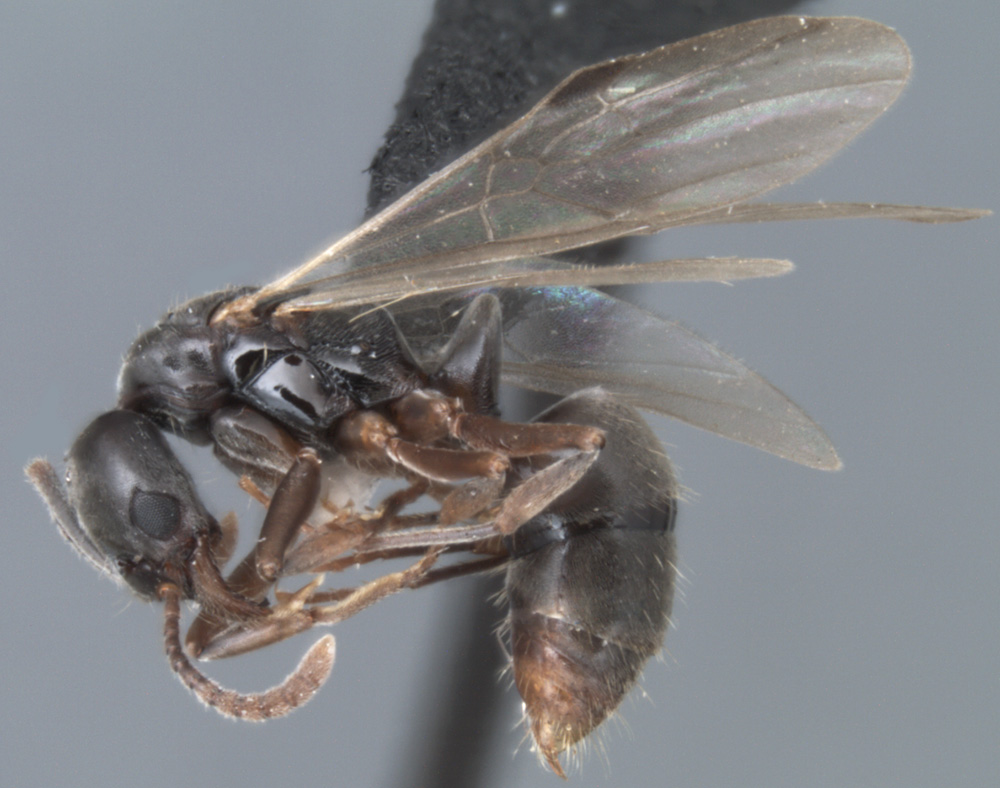 |
Brachyponera chinensis, dorsal view of male (SC, Pickens Co.) (photo by Ryan J. Whitehouse and Joe A. MacGown) |
Brachyponera chinensis, lateral view of alate queen (SC, Pickens Co.) (photo by Ryan J. Whitehouse and Joe A. MacGown) |
Brachyponera chinensis, lateral view of an alate queen (AL, Jefferson Co.) (Photo by Joe A. MacGown) |
 |
 |
 |
Brachyponera chinensis, full face view of worker (AL, Jefferson Co.) (Photo by Joe A. MacGown) |
Brachyponera chinensis, lateral view of worker (AL, Jefferson Co.) (Photo by Joe A. MacGown) |
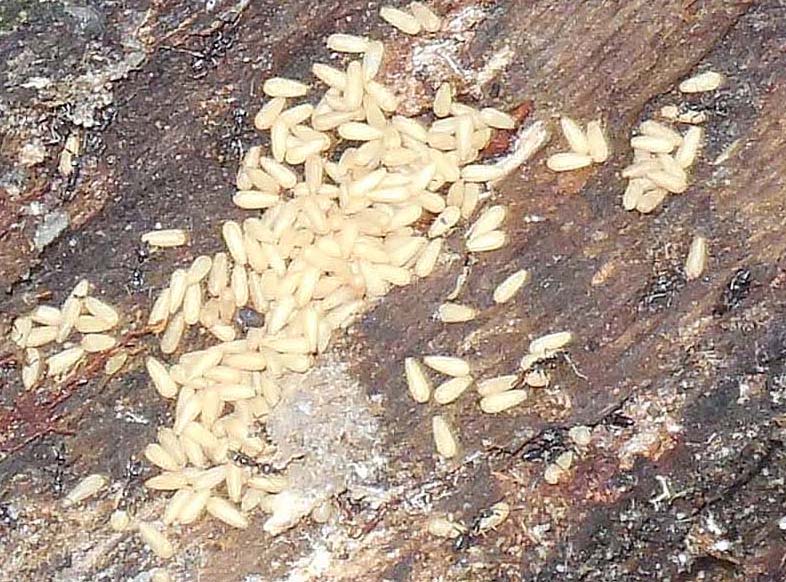
Brachyponera chinensis, brood in colony under bark of rotting log (SC, Pickens Co.) (Photo by Joe A. MacGown) |
Introduction Brachyponera chinensis Emery(Ponerinae), the Asian needle ant, is small, brownish black stinging species native to Japan. It was first detected in the United States in Dekalb County, Georgia in approximately 1932 (Smith, 1934). Since then, populations have spread throughout large areas along the east coast and into other regions. It is considered an invasive species that stings humans and may displace native species. Most recent literature gives refers to this species as Pachycondyla chinensis; however, Schmidt and Shattuck (2014) revived it from synonymy. This species is an average sized, dark brownish-black ant with a conspicuous stinger. It is considered an invasive species that establishes large populations that may displace native species. Reactions in humans from the sting of this exotic species range from mild to severe, sometimes with long lasting symptoms (Nelder et al, 2006). Consequently, B. chinensis poses an emerging health threat throughout its range, as well as areas to where it may be spreading. However, it is not overly aggressive. Stings typically result from handling workers or by alate queens landing on individuals and becoming trapped between clothing layers and skin. Common Name Taxonomic History (Bolton 2016) Identification Queen: TL ≈ 5.0-6.5mm, HL 1.10-1.12mm, HW 0.94-0.99mm, SL 0.98-1.00mm, EL 0.29-0.30mm, MeSL 1.58-1.72mm (n=5) (MEM specimens). Dark brown to black ant with outer antennae segments, mandibles and legs being a lighter orangish-brown. Can be up to 6.50mm in length. Head longer than wide and covered with dense, appressed setae as well as the antennal scapes and with erect setae on the mandibles and the ventral surface; eyes ovoid with the posterior edge at the midline of the head; three ocelli present; mandibles well developed and triangular; frontal lobes prominent and covering the antennal insertion point; antennae are 12-segmented. Mesosoma with a mixture of appressed and erect setae and a glabrous, smooth, shining mesopleural region; enlarged with four wings or wing scars; hind tibia with two spurs, a large, pectinate one and a simple small one; posterior edge with a smooth and shining glabrous region anterior to the petiolar node. Waist single-segmented; petiolar node narrows to a point at the apex; subpetiolar process with a distinct, acutely angled projection with some erect setae. Gaster with a mixture of erect and appressed setae; first two tergites longer than the remaining ones; prominent sting present at the apex. Male: TL ≈ 3.50-4.0, HL 0.66-0.71mm, HW 0.61-0.64mm, SL 0.17-0.18mm, EL 0.28-0.31mm, MeSL 1.42-1.53mm (n=4) (MEM specimens). Head, scape, pronotum, mesopleura, and apical portion of gaster yellowish brown; funiculus, propodeum, petiole, and anterior half or more of gaster dark brown; mesoscutum and legs pale yellow. Head small, almost circular looking, but longer than wide with a mixture of short, appressed setae and longer erect setae; eyes large, ovoid and distinctly convex; three ocelli present with dark pigmentation around their bases; mandibles reduced and indistinct with the rest of the mouth parts conspicuous; antennae 13-segmented; antennal scape about twice the length of the first funicular segment, but slightly shorter than the rest of the antennal segments. Mesosoma mostly smooth and shining; enlarged with four wings; propodeum with medial, smooth, shining area anterior to the petiolar node. Waist single-segmented with short and long erect setae; node roughly triangular in the lateral view, broadly rounded apically; subpetiolar process distinct with an acute tooth. Gaster with a mixture of short appressed setae and long erect setae; apical gastral segment coming to a distinct point, almost like a sting. Diagnosis Biology and Economic Importance The Asian needle ant has been shown to negatively impact biodiversity and poses medical risks for humans from anaphalaxis as a result of stings (Nelder et al. 2006). Although this species possesses a large sting, it is not an aggressive stinger. Typically, stings are a result of an individual disturbing a colony or having a winged female land on the body and become trapped between the skin and clothing layer. Stings are painful and persist for up to 30 minutes or more. I have been stung by this species and can attest to the veracity of the sting of this species. Distribution Australian: New Zealand (antwiki.org). U.S. Distribution: AL, AR, CN, FL, GA, KY, MS, NC, NY, SC, TN, TX, VA, WA, WI (antweb.org, antwiki.org, MEM, Dunn and Menninger 2013, Guenard, 2009; Guénard and Dunn 2010, MacGown 2009 and Nelder et al, 2006). Acknowledgments Literature Cited Bolton, B. 2016. Bolton World Catalog Ants. Available online: http://www.antweb.org/world.jsp. Accessed 9 March 2016. Brown, W. L., Jr. 1958. A review of the ants of New Zealand. Acta Hymenopterologica 1:1-50. Dunn, R. and H. Menninger. 2013. Amateur scientists discover Asian needle ant has expanded its range by thousands of miles. [Online]. Available: http://www.yourwildlife.org/2012/08/amateur-scientists-discover-asian-needle-ant-has-expanded-its-range-by-thousands-of-miles-unnoticed/ (Accessed September 5, 2013). Emery, C. 1895. Viaggio di Leonardo Fea in Birmania e regioni vicine. LXIII. Formiche di Birmania del Tenasserim e dei Monti Carin raccolte da L. Fea. Parte II. Annali del Museo Civico di Storia Naturale 34[=(2)14]: 450-483. Guenard, B. 2009. Pachycondyla chinensis, the Asian Needle Ant. Available online at: http://www4.ncsu.edu/~bsguenar/Pachycondyla%20chinensis%20page.html. Accessed 26 March, 2009. Guénard B., and R. R. Dunn. 2010. A New (Old), Invasive ant in the hardwood forests of eastern North America and its potentially widespread impacts. PLoS ONE 5(7): e11614. doi:10.1371/journal.pone.0011614. MacGown, J. A. 2009. The Asian needle ant, Pachycondyla chinensis Emery (Hymenoptera: Formicidae), reported from Alabama (online: http://midsouthentomologist.org.msstate.edu/Volume2/Vol2_2_html_files/vol2-2_003.html). Midsouth Entomologist 2 (2) 88-89. MacGown, J. A., H. Richter, and R. L. Brown. 2013. Notes and new distributional records of invasive ants in the southeastern United States. Midsouth Entomologist 6: 104-120. Nelder, M. P., E. S. Paysen, P. A. Zungoli, and E. P. Benson. 2006. Emergence of the introduced ant Pachycondyla chinensis (Formicidae: Ponerinae) as a public health threat in the southeastern United States. Schmidt, C. A.; Shattuck, S. O. 2014. The Higher Classification of the Ant Subfamily Ponerinae (Hymenoptera: Formicidae), with a Review of Ponerine Ecology and Behavior. Zootaxa 3817(1):1-242. Smith, F. 1874. Descriptions of new species of Tenthredinidae, Ichneumonidae, Chrysididae, Formicidae, &c. of Japan. Transactions of the Entomological Society of London 1874: 373-409. Smith, M. R. 1934. Ponerine ants of the genus Euponera in the United States. Ann. Entomol. Soc. Am. 27: 558-56. Videos
|
||


MEM | Research Taxa | Introduction | Faunal Lists | Identification | How to Use the Keys | Glossary | Collecting Tips | Specimen Preparation MEM Publications | MEM Ant Publications | Ant Videos | Ant News | MEM Ant Blog | References | Acknowledgments | Links
Author-Joe MacGown: jmacgown@entomology.msstate.edu
The ant web site was uploaded on 6 March 2003 and was last updated on 7 February 2022
(specific pages may have different uploaded and updated dates)
Drawings and photographs by Joe MacGown (unless otherwise noted) and copyrighted by the Mississippi Entomological Museum
The development of this web site was supported in part by the National Institute of Food and Agriculture, United States Department of Agriculture, under Project No. MIS-012040 and the USDA-ARS Areawide Management of Imported Fire Ant Project (Richard L. Brown, Principal Investigator).